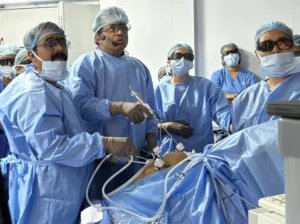
When natural conception proves challenging due to endometriosis, In Vitro Fertilization (IVF) stands as a beacon of hope. However, navigating IVF when you have endometriosis requires a highly sophisticated, customized approach. Endometriosis is not just a mechanical blockage of the tubes; it is an active endocrine and immunological disorder that affects the ovaries, the eggs, and the uterine lining. As an endometriosis and fertility specialist, my goal during an IVF cycle is to strategically outmaneuver the disease at every step to maximize the chances of a healthy pregnancy.
The primary advantage of IVF in endometriosis is its ability to entirely bypass the hostile pelvic environment. In a natural pelvis affected by endometriosis, the eggs released during ovulation are exposed to inflammatory fluids that can compromise their quality. Furthermore, damaged or scarred fallopian tubes can fail to transport the embryo safely. IVF removes the eggs directly from the ovaries, fertilizes them in a controlled, pristine laboratory environment, and places the healthy embryo directly into the uterus, effectively sidestepping the diseased pelvic spaces.
However, one of the greatest challenges we face in endometriosis IVF is managing ovarian reserve, particularly when chocolate cysts (endometriomas) are present. A common mistake is to surgically remove every chocolate cyst before starting IVF. Aggressive surgery on an ovary can inadvertently remove healthy egg-containing tissue, drastically lowering the woman’s Anti-Müllerian Hormone (AMH) levels and reducing the number of eggs we can retrieve during IVF. Therefore, modern clinical protocols advocate for a highly individualized strategy: if an endometrioma is small, asymptomatic, and does not block safe access to healthy follicles, we leave it untouched during the egg retrieval process, prioritizing the preservation of the ovarian reserve.
To optimize success, we utilize specialized IVF protocols tailored for endometriosis. This frequently includes ‘ultra-long down-regulation’ protocols, where patients receive GnRH analogues for 1 to 3 months before starting stimulation. This temporary suppression acts to completely ‘quiet down’ the pelvic inflammation, significantly improving egg quality and subsequent embryo development. Advanced laboratory techniques, such as Intracytoplasmic Sperm Injection (ICSI) and extended blastocyst culture to Day 5, are standardly employed to select the most resilient embryos.
The final piece of the puzzle is preparing the endometrium (the uterine lining) for implantation. Endometriosis can sometimes cause progesterone resistance, making the uterine lining less receptive to an incoming embryo. To combat this, we frequently recommend a ‘Freeze-All’ strategy. We retrieve the eggs, create the embryos, and freeze them safely. We then use medical therapy to down-regulate the pelvis and prepare the uterus perfectly using an artificial frozen embryo transfer (FET) cycle. By decoupling the ovarian stimulation from the embryo transfer, we ensure the embryo enters a calm, highly receptive environment, paving the path to a successful and joyous delivery.