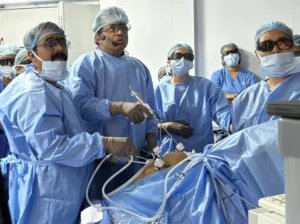
As an advanced laparoscopic surgeon, much of my day is spent focusing on the physical, tangible aspects of endometriosis—excising nodules, clearing cysts, and freeing adhesions. However, I am profoundly aware that endometriosis is not merely a disease of the pelvis; it is a disease that deeply impacts the mind, the emotions, and the psyche. The psychological toll of living with a chronic, invisible, and frequently misunderstood painful illness is immense. To achieve true healing, our clinical approach must extend beyond the operating theater to encompass the complete mental and emotional well-being of the patient.
One of the primary drivers of psychological distress in endometriosis is the historical phenomenon of diagnostic delay. On average, worldwide and notably in India, it takes between 7 to 10 years from the onset of symptoms for a woman to receive an accurate diagnosis. During these long years, young girls and women are frequently told by society, and sometimes even by well-meaning medical professionals, that their excruciating pain is ‘normal, ‘ that they have a ‘low pain threshold, ‘ or that it is ‘all in their head.’ This chronic invalidation, which we term ‘medical gaslighting,’ breeds deep seeds of self-doubt,isolation, anxiety, and severe depression.
Furthermore, living with chronic, unpredictable pain creates a state of constant neurological stress. The brain is perpetually on high alert, waiting for the next wave of debilitating pain to strike. This chronic stress depletes the body’s natural feel-good chemicals (serotonin and dopamine), directly predisposing patients to clinical depression and generalized anxiety disorders. The physical exhaustion of fighting daily pain often manifests as chronic fatigue syndrome, making it difficult to maintain consistent career performance, fulfill educational goals, or sustain social relationships.
Fertility anxieties add another layer of profound emotional weight. In our cultural milieu, where a woman’s identity is often deeply tied to motherhood, the fear of potential infertility due to endometriosis can cause intense grief, marital strain, and a sense of inadequacy. When you combine chronic pelvic pain, painful intimacy, career disruption, and fertility fears, it becomes obvious why a holistic mental health framework is a mandatory component of standard care.
In our dedicated center, we manage the psychological impact of endometriosis through an integrated support system. We utilize Cognitive Behavioral Therapy (CBT) to help patients develop robust coping mechanisms for chronic pain, helping to break the cycle of ‘pain catastrophizing.’ We actively encourage participation in dedicated patient support groups, where women can find validation and shared strength, realizing they are not alone in their struggle. Mindfulness, meditation and targeted nutritional psychiatry also play a major role. Healing from endometriosis requires a compassionate alliance: we must surgically remove the disease from the pelvis, but we must also gently lift the heavy emotional burden from the mind, empowering women to step forward into a future of complete wholeness.